Native plantings for 2026–2027
Reviewed by Adnan Azam, M.Sc (Hons) Agri. Forestry · Updated November 24, 2026
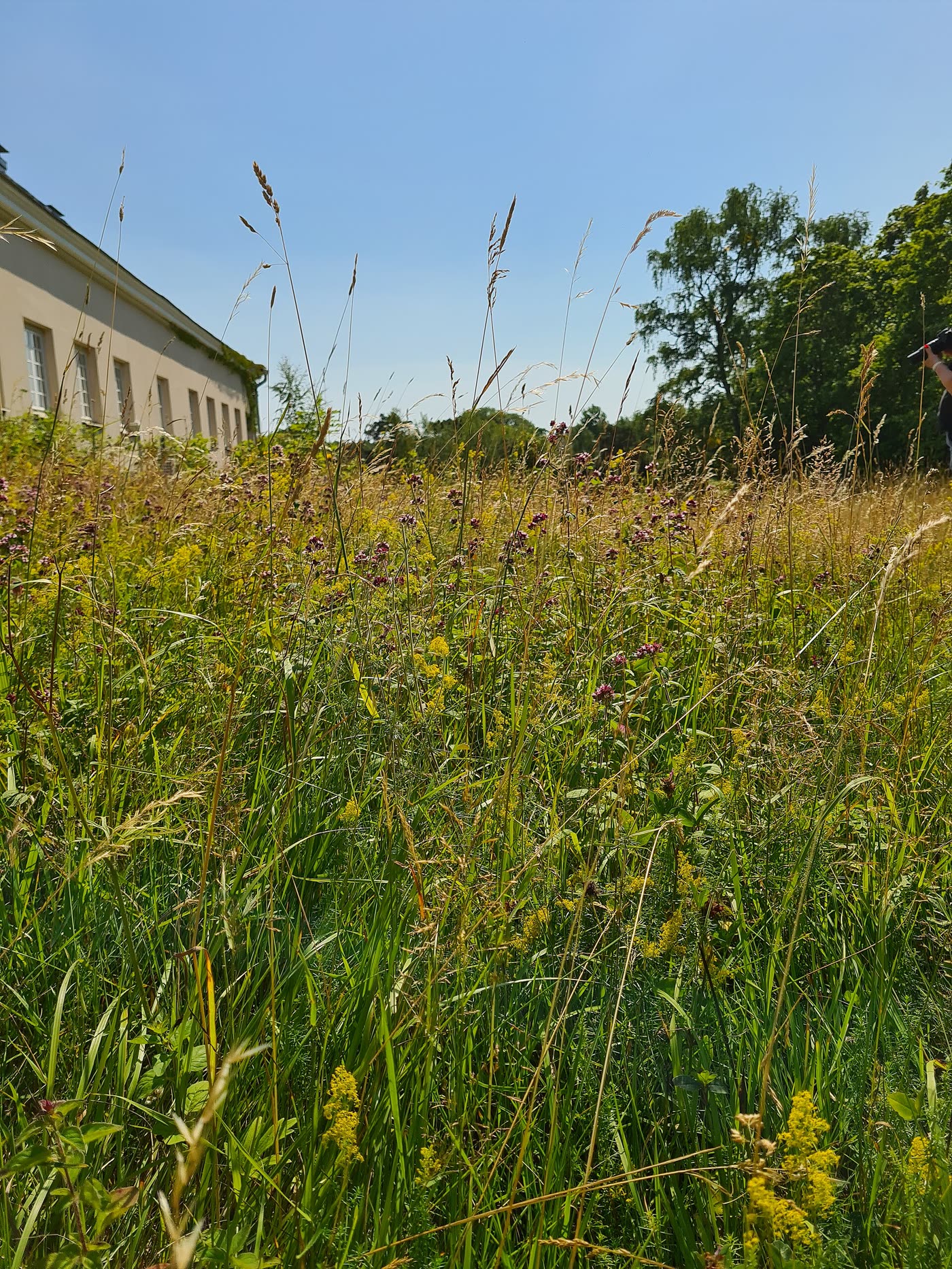

Use plants that grow wild in your region, on a site that matches how they grow (wet, dry, sun, shade). Buy from a nursery that can say where the seed came from. A named cultivar may flower longer and feed fewer insects. Skip anything your local invasive list already flags, even if a garden article called it native somewhere else.
Region first
A native planting in Devon is not a native planting in Arizona, and a Midwest prairie mix is not kind to a UK verge. Start with a local list: a US native plant society or extension publication for your state, or a Wildlife Trust and a reputable UK nursery that separates British natives from 'wildlife-friendly' imports.
'Wildlife-friendly' is a wider and vaguer claim. Lavender feeds bees and is not a UK native. It can still be a good garden plant. Call it what it is.
Right plant, right wet spot
Natives fail when they are treated as a moral category instead of as plants. A wetland iris in a dry gravel bed dies. A dry-meadow grass in a shaded clay lawn rots. Match sun and moisture the way you would for any other planting, then choose the local species that likes that spot.
Plant in groups. One isolated native in a bed of bedding annuals is not a habitat. A drift of the same species is closer.
Species, cultivar, and the invasive list
A cultivar with double flowers or a very altered leaf color can be less useful to insects than the straight species. It can also be the plant that survives a hotter patio. Know which trade you are making. If the nursery cannot tell you the origin of the seed, you are buying a garden plant with a native name.
Check the invasive list for your state or country before you plant a 'native' that is native two thousand kilometers away and spreading where you live. Good intentions do not change a runner.
Do it in this order
- Get a local list. State native-plant society, extension, or a UK source that names British natives separately.
- Match the site. Wet, dry, sun, shade. Then choose. Not the other way around.
- Plant groups. Several of one species beat a collector's row of singles.
- Check the invasive list. Especially for anything described as vigorous, spreading, or good groundcover.
Questions
Do native gardens need no water?
New plants need water their first season while roots establish. After that, plants in the right spot need less. 'Native' is not a drought spell if you put a wetland plant on a sand hill.
Can I mix natives with other plants?
Yes. A garden can be partly native. Just do not let the non-native spreader be the one that runs into the hedge.
Where do cultivars fit?
Use them when you need a size or a tougher plant, and prefer the straight species where the flowers are the point for insects. Say which you planted.