Various
Indoor succulents care
Mixed succulent care
Also called succulent bowl, desk succulents, haworthia
Reviewed by Adnan Azam, M.Sc (Hons) Agri. Forestry · Updated November 24, 2026
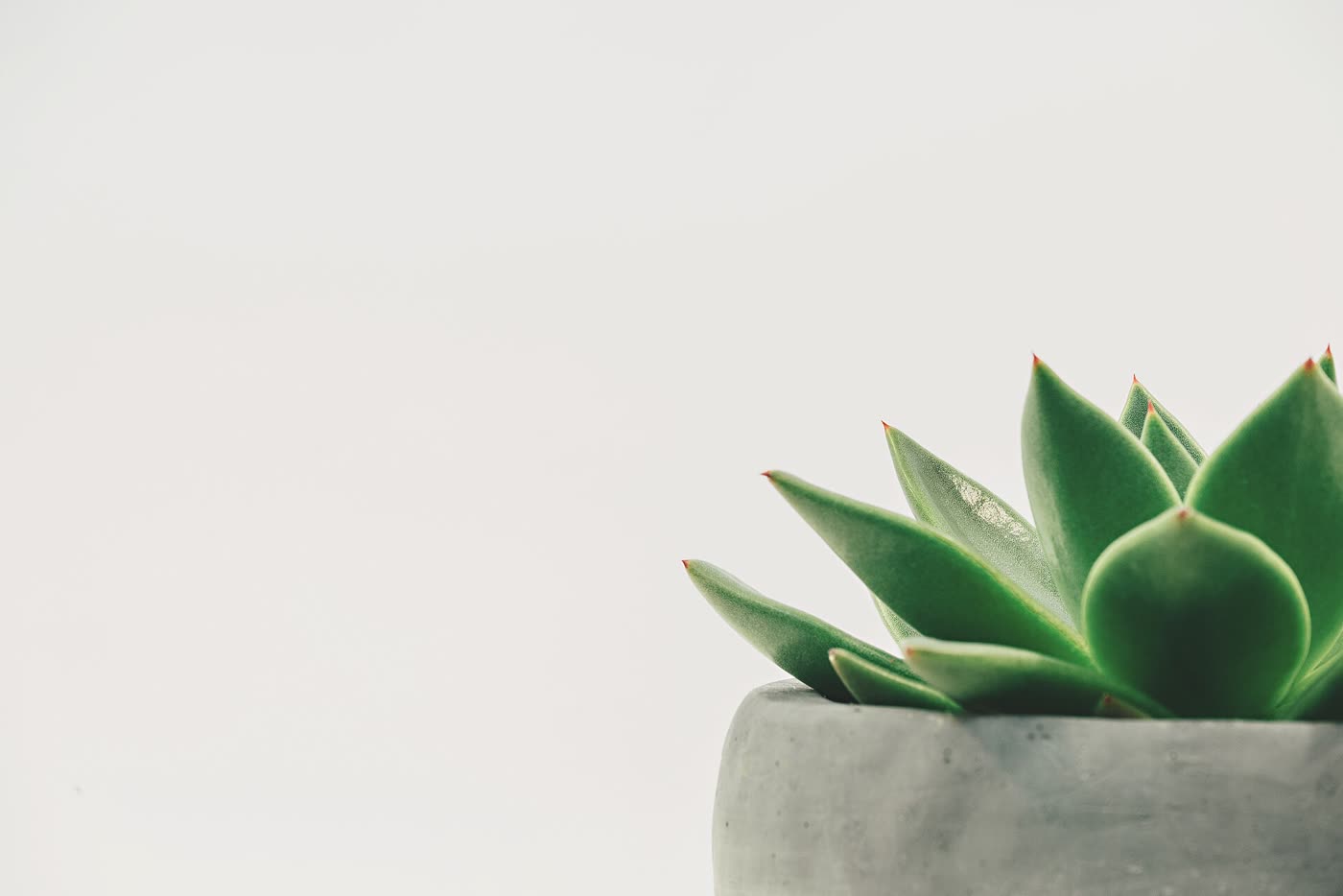

- Light
- Bright to direct
- Water
- Dry, then soak
- Humidity
- Low
- Pets
- Toxic
A sunny window and a gritty mix. Water only when the soil is dry and the leaves soften slightly. Stretching toward the window is low light, not thirst. Do not treat a mixed bowl as pet-safe unless you know every species in it.
Overview
Most 'succulent' pages online tell you to water once a week. That advice kills more plants than it saves, because a haworthia in a plastic pot in a UK January is not a sedum in an Arizona yard in June.
Group them by thirst and by light, not by how they looked in the shop photo. Echeveria and graptoveria want direct sun. Haworthia and gasteria take a little less and burn faster. Jade and aloe are in this guide on their own pages because people search them that way, and because both are toxic to pets while many small rosettes are not.
Light
The brightest spot you have, for the rosette types. A south window in the northern hemisphere. If the plant stretches, with wide gaps or a pale stem, it is not getting enough light and no amount of careful watering will compact it. Haworthias can sit a step back from the glass. If leaves bleach white, that one plant needs a sheer curtain. A grow light 15–25 cm above a bowl, 12 hours a day, is a fair winter substitute in a dark flat.
Water
Soak the mix, drain it, and do not water again until it is fully dry and the leaves feel slightly less firm. In summer that might be every 10–20 days. In winter, many indoor succulents should go three to six weeks. Water the soil, not the rosette. Cold water pooled in a tight echeveria causes rot that looks like a mystery disease. A wrinkled leaf is a cue. A yellow, translucent leaf is not thirst.
Soil
At least half pumice, perlite, lava, or coarse grit, and the rest a low-peat compost. If you buy a 'cactus mix' and it clumps like wet coffee grounds, cut it again with mineral. Shallow terracotta, with a hole, for bowls. Do not top-dress with decorative sand that seals the surface. A thin layer of grit is fine. A sealed crust is not.
Humidity and temperature
Low. Kitchens and bathrooms rot rosettes. Dry indoor air is a feature. The exception is not a rainforest succulent myth — if your 'succulent' is actually a holiday cactus, it does not belong in this bowl.
15–28°C (59–82°F) for most common indoor kinds.
Feeding
A low-nitrogen cactus fertilizer, two or three times in the bright months, at half strength. Fed succulents in dim rooms grow weak, floppy leaves that fall off. Light first.
Repotting
In spring, when the mix is exhausted or the plants are hanging over a tiny nursery pot. Knock off the old peat. Let roots sit bare for a day if they were soggy. Do not water immediately. A mixed bowl looks charming and dies unevenly, because one plant wanted water last week and another did not. Separate them when they disagree.
Propagation
Most rosette succulents propagate from leaves or offsets. Twist a lower leaf cleanly so the base comes with it, let it callus for a few days, and set it on dry grit. Mist the surface only after roots appear. Haworthia offsets can be cut away with a bit of stem. Stretched plants are restarted from the compact tip, not saved by a feed.
Through the year
Winter watering is where indoor succulents die in both the US and the UK. Light drops, pots stay cold, and a weekly splash rots the stem. From November to February, water only when leaves soften. Summer outdoors — shade first, then more sun — fattens them up if your nights stay warm. Bring them in before frost.
Pets and toxicity
There is no single answer for a mixed bowl. Jade (Crassula ovata), aloe, euphorbia, and kalanchoe are toxic to pets. Many Echeveria and Haworthia species are considered non-toxic, and a shop label that says 'succulent' does not tell you which you bought. If a pet chews plants, do not keep an unidentified bowl in reach.
Problems on this plant
- leggy plants
A stretched stem will not shrink. Move the light closer and cut the plant back to compact growth.
- root rot
Yellow, jelly-like leaves mean the stem is rotting. Take healthy leaves as cuttings.
- mealybugs
White cotton in a tight rosette is mealybug. Isolate the bowl.
Do this in order
- Sort the bowl. Separate plants that want full sun from haworthias that burn, and remove anything unidentified if you have pets.
- Repot in grit. A fast mix in clay. Nursery peat stays wet indoors.
- Soak, then dry fully. No weekly sip. Wrinkled and firm-ish is thirst. Translucent is rot.
- Add winter light. A grow light beats a windowsill in a short northern day.
Questions
How often do you water indoor succulents?
When the soil is completely dry and the leaves soften, not on a weekday. That is often every two to three weeks in summer and much longer in winter. The pot, the light, and the species move the number.
Why is my succulent growing a long stem?
Etiolation from low light. Give it more sun or a grow light. Cut the top back to a compact rosette and root that. The bare stem will not turn back into a tight plant.
Are succulents safe for cats?
Some are, some are not. Jade, aloe, euphorbia, and kalanchoe are toxic. Unlabeled arrangements should be treated as unsafe around pets.
Tools that match this care
Tools that match this kind of plant. A paid link, when one is added, will be marked and will not change the advice above.
Gritty succulent mix
At least half pumice, perlite, or fine gravel. This is what keeps jade, aloe, and echeveria alive indoors.
Why this helpsA terracotta pot with a hole
Clay breathes, which is the difference between a living succulent and a wet one.
Why this helpsA full-spectrum grow light
For apartments with one gloomy window, or for keeping variegation from fading.
Why this helps
Related plants
Ask the assistant about this plant. The first replies are free.