Strelitziaceae
Bird of paradise care
Strelitzia nicolai
Also called white bird of paradise, giant bird of paradise, Strelitzia reginae
Reviewed by Adnan Azam, M.Sc (Hons) Agri. Forestry · Updated November 24, 2026

- Light
- Bright to some direct
- Water
- Top 2 inches dry
- Humidity
- Average to high
- Pets
- Toxic
Give it the brightest spot in the house and a large, draining pot. Water when the top 5 cm is dry. Split leaves are normal, especially in dry air or after a brush past the plant. Indoor plants seldom flower. It is toxic to pets.
Overview
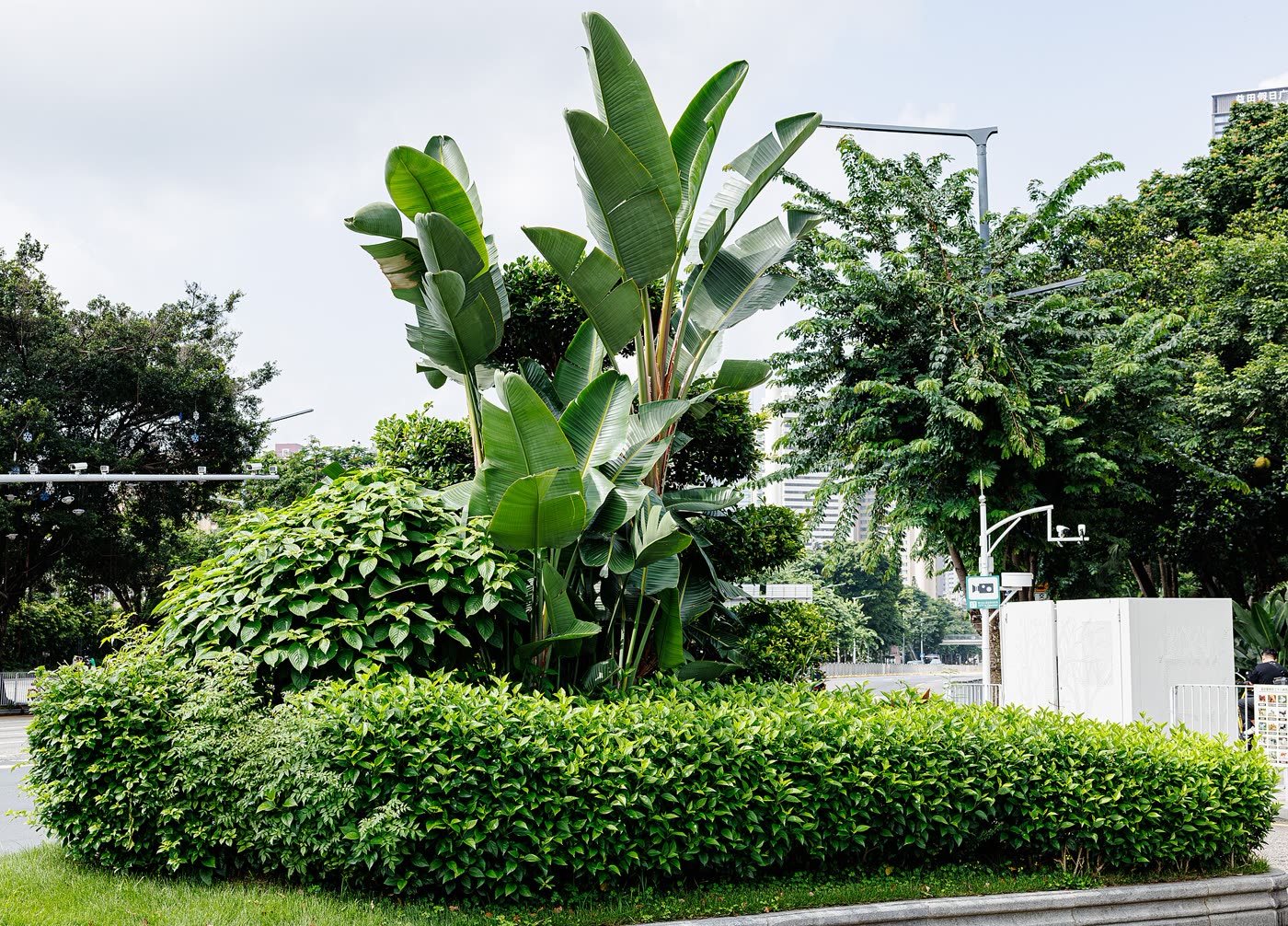
Two plants share this common name. Strelitzia reginae is the orange crane-flower, smaller and more likely to bloom in a pot if it is root-bound and very bright. Strelitzia nicolai is the tall white one people buy as a statement leaf, and it will outgrow a ceiling long before it flowers.
This page is the indoor foliage version, which is what most US and UK buyers have. Expect a handsome leaf. Do not expect a flower in a north-facing flat. Anyone promising blooms from a young nicolai in a 20 cm pot is selling a different climate.
Light
As much bright light as you can give it, including some direct sun once it is used to the window. A dim corner makes small, weak leaves and a plant that falls over. South and west windows are appropriate. Turn it occasionally or it will lean hard. A grow light helps a nicolai through a dark winter but will not make a juvenile plant bloom.
Water
Water thoroughly when the top 5 cm is dry, then let it drain. In bright summer growth it drinks like a tropical, not like a snake plant. In winter, slow down. Yellow lower leaves and a constantly wet pot are overwatering. Brown crispy edges with a light pot are thirst or dry air. Large leaves transpire a lot. A small pot will dry in a couple of days and the plant will look tired no matter how 'good' your schedule is.
Soil
A rich, well-drained houseplant mix. They are heavy feeders in active growth and still need air at the roots. A large pot is appropriate for a large plant. Do not double the pot size in one move. Weight the container. A tall nicolai in a light plastic pot is a tip hazard.
Humidity and temperature
Average homes work. Very dry air increases leaf splitting and brown edges. Splits along the side of the leaf are also just what these leaves do — wind, brushing past, and age open them along the veins. You cannot tape a split back into a pristine leaf. Raise humidity if edges are crisp and the splits bother you. Do not mist as your only move.
18–30°C (65–86°F). Growth stalls when it is cold.
Feeding
In spring and summer, a balanced fertilizer at half to full strength every two to four weeks while it is pushing leaves. This is one of the few houseplants in this guide that can use a real feed, because the leaves are large and growth is fast in good light. No feed in the dark months. Salt crust on the soil means flush the pot.
Repotting
Spring, when roots fill the pot or circle the surface. One size up. A reginae that you actually want to flower should become somewhat root-bound and stay in very bright light for years. A nicolai you want as a leaf can be potted on to keep it growing, until the ceiling says stop. Support the stem if it leans.
Propagation
Division of offsets is the method. A single leaf will not root. Separate a pup with roots in spring and pot it in a snug container. Seed is possible and slow, and indoor plants rarely set it.
Through the year
Growth is strongly seasonal indoors. Long days, warmth, and regular water in summer. A near stall in winter. Do not force a winter leaf with heavy water and fertilizer or you will rot the base. In frost-free US climates these are outdoor plants. In the UK they are houseplants or conservatory plants. A single frost blackens the leaves.
Pets and toxicity
Strelitzia is toxic to cats and dogs. The ASPCA notes gastrointestinal upset, and the seeds are a particular concern. A large floor plant is easy for a dog to sample. Place it where chewing is unlikely, or do not keep it.
Problems on this plant
- brown leaf tips
Crisp edges plus splits: dry air or an extended dry-out. The split itself may be mechanical.
- yellow leaves
An old lower leaf yellowing is normal on a growing plant. Many at once means check the roots.
- leggy plants
Weak, small leaves are low light. This plant cannot decorate a hallway.
Do this in order
- Give it the bright window. Direct morning or filtered afternoon sun. Dim rooms produce a sad, leaning plant.
- Water deeply, then wait. The top few centimeters should dry. A big leaf in a tiny pot will need water sooner.
- Feed in summer only. It can take more food than a succulent while it is actively making leaves.
- Accept the splits. Torn leaves along the veins are normal. Crisp brown margins are the part you can improve.
Questions
Why is my bird of paradise not flowering?
Indoor nicolai almost never flowers, and young plants of either species will not. Reginae needs years, very high light, and a tight pot. If you bought the plant for the orange flower, you may simply not have the light.
Should I cut split leaves?
Only if they are mostly brown or you dislike them. A green split leaf is still feeding the plant. Cutting every imperfect leaf is how you end up with a stump.
Nicolai or reginae — which do I have?
Nicolai has huge banana-like leaves and can reach the ceiling. Reginae is smaller, more clumping, and is the one that can make orange and blue flowers in a pot. Care is similar. Expectations should not be.
Tools that match this care
Tools that match this kind of plant. A paid link, when one is added, will be marked and will not change the advice above.
A simple moisture meter
Useful while you are still learning the weight of a pot. Do not leave it stuck in the soil.
Why this helpsA full-spectrum grow light
For apartments with one gloomy window, or for keeping variegation from fading.
Why this helpsChunky aroid mix
Bark, perlite, and a bit of peat or coir so monstera and philodendron roots get air.
Why this helps
Related plants
Ask the assistant about this plant. The first replies are free.