Araliaceae
English ivy care
Hedera helix
Also called common ivy, Hedera
Reviewed by Adnan Azam, M.Sc (Hons) Agri. Forestry · Updated November 24, 2026
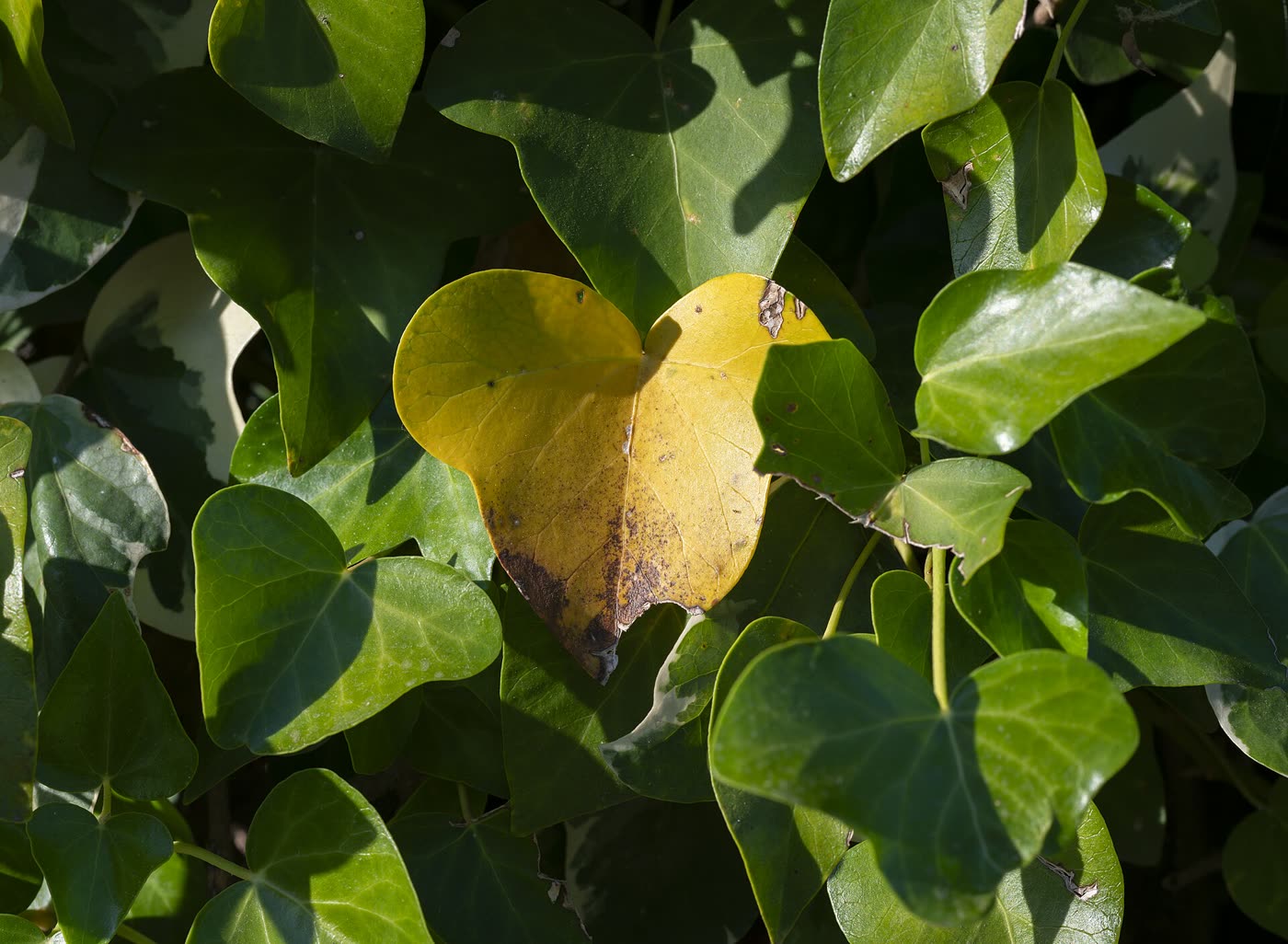

- Light
- Bright to medium
- Water
- Top inch dry
- Humidity
- Average to high
- Pets
- Toxic
Bright indirect light, cooler air, and water when the top inch dries. Indoor ivy fails from spider mites and hot, dry rooms. It is toxic to pets. Do not dump it in a US garden — it is invasive.
Overview
Hedera helix is an easy outdoor plant in mild, cool parts of the UK and a menace in many US woodlands. Indoors it is a different problem: warm, dry rooms and spider mites. If your ivy looks dusty and then drops leaves, look under a leaf before you change the fertilizer.
Variegated cultivars need more light than the plain green ones or they revert. None of them belong in a hot, dark bathroom.
Light
Bright indirect light indoors. A cool east window is better than a hot south sill. Low light makes a thin vine and an easy target for mites. Outdoors in the UK it tolerates a great deal of shade. That outdoor shade is still brighter than a living room corner.
Water
Let the top inch dry, then water and drain. Ivy hates a sour pot and also hates drying until the leaves crisp. In a warm room you will water more often and still fight mites. Cooler air slows both the plant and the pest. Do not leave it in a saucer.
Soil
Standard houseplant mix with perlite. A hanging basket dries quickly. A pot on a cool floor stays wet. Match the container to the room, and always use a drainage hole.
Humidity and temperature
Higher humidity and cooler temperatures are the indoor recipe. Dry winter air is when mite populations explode. A humidifier helps the plant and annoys the mites. Washing the foliage every week during an outbreak matters more than a gadget.
10–21°C (50–70°F). It prefers cooler rooms than most tropicals.
Feeding
Light feeding in spring and summer. A pale, mite-stippled plant does not need a heavy feed. It needs a shower and a cooler spot.
Repotting
In spring if the basket is a solid root. You can also cut the plant back hard and refresh the top of the mix. Ivy takes hard pruning. Sterilize the blade, and do not compost the cuttings into a US yard waste pile that gets dumped near a woodland.
Propagation
Stem cuttings with a node root in water or damp mix easily. That ease is why it is invasive outdoors. Root it for a pot. Do not plant English ivy in the ground in North America.
Through the year
It is happier in winter than most houseplants if you can give it a cool, bright room. A stuffy, heated room is the bad season. Growth outdoors in the UK can be cut back in spring before birds nest. Check local guidance before you cut a large outdoor vine.
Pets and toxicity
English ivy is toxic to cats and dogs. The berries are more dangerous than the leaves, and indoor plants rarely berry. The leaves are still a problem if chewed. People with sensitive skin can react to the sap. Wear gloves to prune.
Problems on this plant
- spider mites
The indoor ivy problem. Stippling and fine webs. Wash the plant and repeat.
- leaf drop
A hot room, a move, or a colony of mites. Check the underside.
- leggy plants
Cut it back and give it more light. Ivy branches after a prune.
Do this in order
- Keep it cool and bright. A bright room that is not baked by heating is the difference.
- Inspect for mites. Look under leaves weekly in winter. Shower at the first speckle.
- Dry the top inch. Then water fully. A wet, warm pot drops leaves too.
- Do not plant it out in the US. It is invasive in many states. Keep it in a pot or skip it.
Questions
Why is my indoor ivy dying?
Spider mites and hot, dry air are the usual pair. Look for fine webbing and a dusty stipple. Shower the plant, raise humidity, and move it somewhere cooler and brighter.
Can I plant English ivy in my yard?
In much of North America, no. Hedera helix invades woodlands. In parts of the UK it is a native climber and a different conversation. This site's US readers should keep it in a container.
Is English ivy safe for pets?
No. It is toxic to cats and dogs. Berries are worse than leaves, and both should stay out of reach.
Tools that match this care
Tools that match this kind of plant. A paid link, when one is added, will be marked and will not change the advice above.
Insecticidal soap
A contact spray for aphids, mites, and mealybugs. It only works where the liquid touches the insect.
Why this helpsA room humidifier
Calathea, ferns, and prayer plants brown at the edge when winter air drops below about 40% humidity.
Why this helpsA simple moisture meter
Useful while you are still learning the weight of a pot. Do not leave it stuck in the soil.
Why this helps
Related plants
Ask the assistant about this plant. The first replies are free.